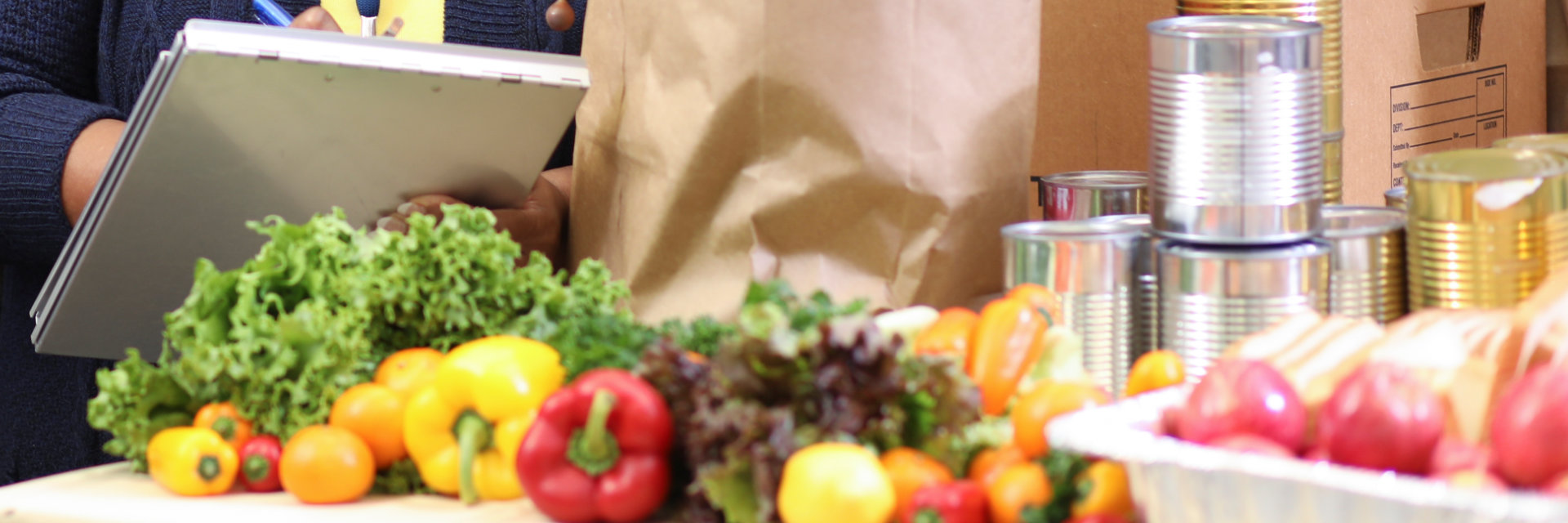
How to Organize a Successful Food Drive
One of the ways to combat hunger in our community is organizing a food drive. Food drives are a great way to stock the shelves at the local food banks and provide every Hamiltonian the opportunity to contribute in the fight against hunger. Encourage neighbours, friends, coworkers, church members, and fellow students to join in!
GETTING STARTED. It has been our experience that successful food drives all have the same things in common. The greatest success stories started with establishing a small committee to plan and coordinate the food drive. There are many aspects to consider for a successful food drive. You may need to recruit volunteers to help with:
1. Develop a plan for carrying out the food drive.
Promotion:
The most successful food drives are ones where committee members have utilized every opportunity to advertise their food drive. Examples are:
- Develop a one-page flier or poster describing the food drive event. Put the fliers at highly visible locations. Ensure the date(s) and contact person information is on the flyer. Use other information formats as:
- emails
- news letters
- memos
- put the most needed list of foods on you flier
List of Most Needed Items
Canned meats & fish
Cold cereal
Pasta sauce and a package of dry pasta
Baby food & formula (needs to have at least 6 wks till expiry left on it.)
Fruit cups
Fruit drinking boxes (Kid's nutritional treats)
Canned pastas
Meat soups
Powdered milk
Kraft Dinner
Peanut butter
Jam
Canned vegetables
Pork and beans
2. Volunteer Recruitment
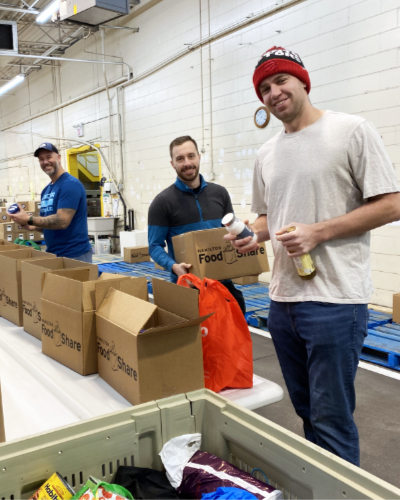
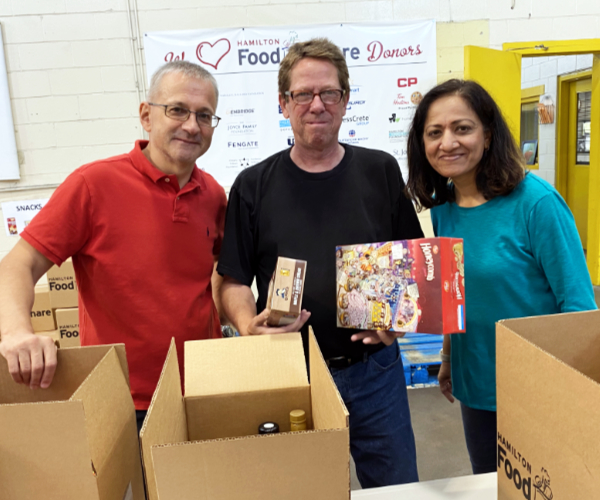
There are many “hands on” tasks throughout a food drive such as setting up the collection sites, collecting all the food for the various sites to one collection point and at the end of the drive packing the food and transporting it to Hamilton Food Share. We would love to meet you so bring your collected food down to Hamilton Food Share and meet our warehouse staff. Much too often we have only a telephone voice or an email to identify you and it would be our great pleasure to meet wonderful community minded people who worked so hard for us. It gives us a chance to congratulate you and thank you in person but if that is not possible please contact us at the number below for further assistance.
3. Food Collection:
Contact:
Mona Santucci, Warehouse Manager
Hamilton Food Share
339 Barton Street East
Hamilton Ontario
905-664-9065 ext. 233
Warehouse hours 9:00am-4:00pm
4. Announce your results:
Hamilton Food Share raises and distributes over 2 MILLION pounds of donated product annually. The Food Recovery Program supplies 42% of the food given out at local emergency food centres.
Hamilton Food Share's warehouse and refrigerated truck meet the food industry's standard for shipping and receiving. The operation can easily receive or pick up donations effectively and quickly. A staff of three and hundreds of volunteers facilitate the work of our food recovery program.
Eventually we hope there will be no need for this service but currently the need to find additional food supplies has never been greater. The Hamilton Food Share operation has become a vital resource in emergency food distribution in our community.
Since 1990 the operation has raised over 20 million pounds of product for emergency food distribution within our community.
Over 85% of our food sources come directly from the food industry. This in turn has resulted in the willingness of manufacturers, producers, wholesalers and farmers to put un-saleable but still wholesome and edible product to work in our community.
Our operation can save companies expensive storage costs and exorbitant tipping fees by putting that food to work in our community. Our donors have a direct community connection and play a vital and supporting role in the fight against hunger. Approximately 3% of donated product is gleaned through the "National Fair Share" food recovery program established by the Canadian Association of Food Banks (CAFB). Hamilton Food Share is an active member of the CAFB.
A surplus in one area is transported and shared throughout the province to all members of the food recovery system. The remaining food supplies (12%) are raised through public food drives and individual donations.